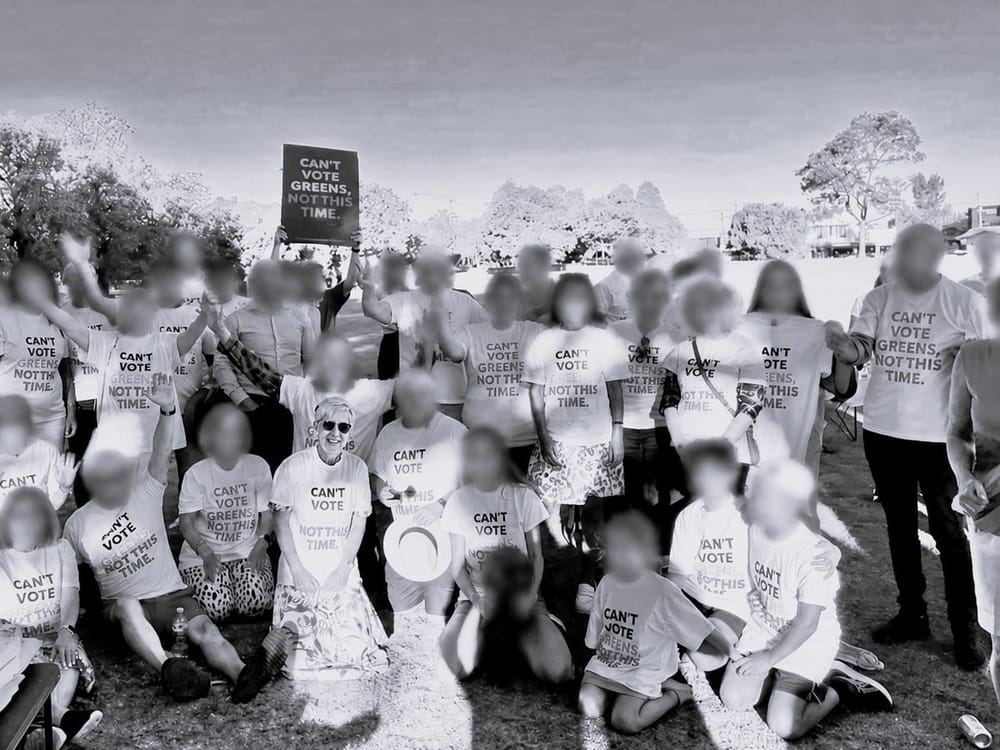
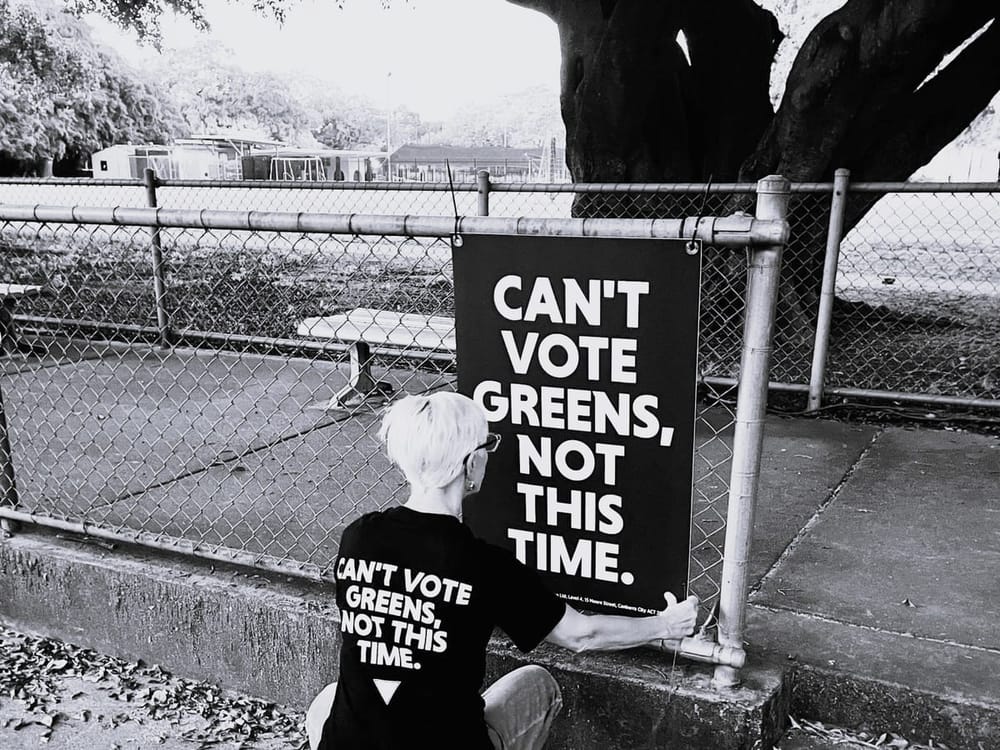
Book launchLaunched 10 October at CPAC, BrisbaneDetails
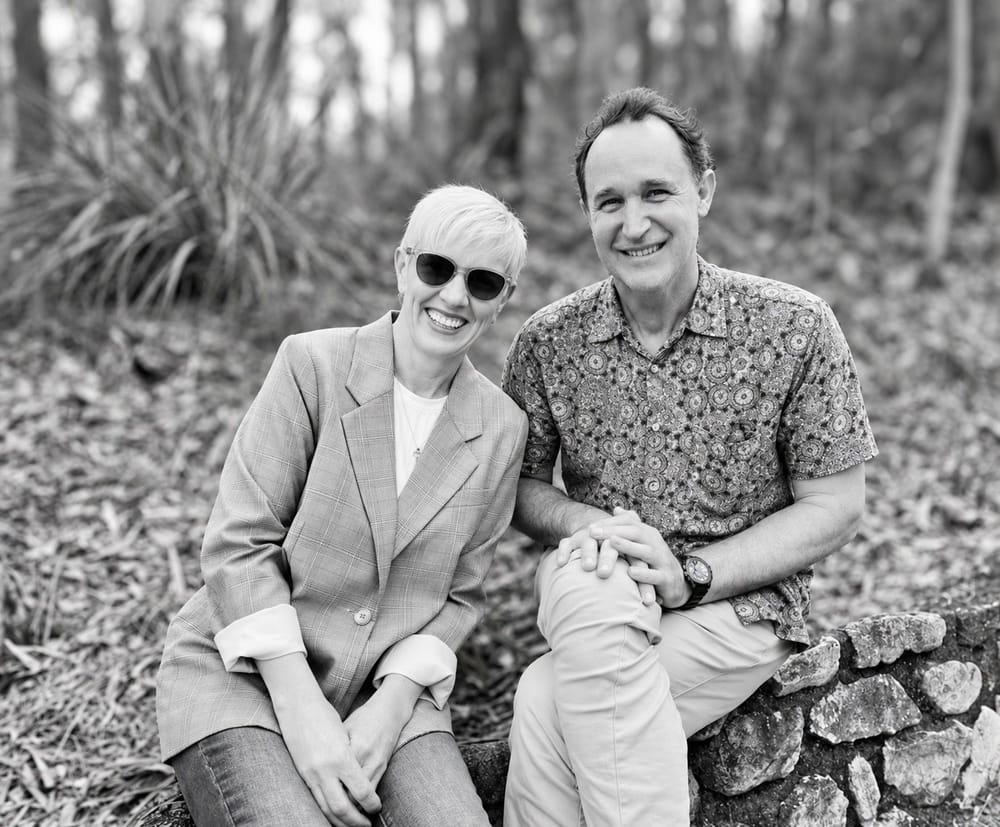
Sandra BourkeAuthor of To Save a Beach
The book

To Save a Beach

The Story of Reckless Renewables

Narrative non-fiction about one beach at Hawks Nest, a much bigger map of Australia, and what happens when government stops listening.

Pre-order the Book
Foreword Chris UhlmannISBN 9781923568969Released October 2026
PublisherConnor Court Books
Foreword byChris Uhlmann
FormatPaperback
ISBN9781923568969
What would you fight to protect?

A green rectangle over the ocean

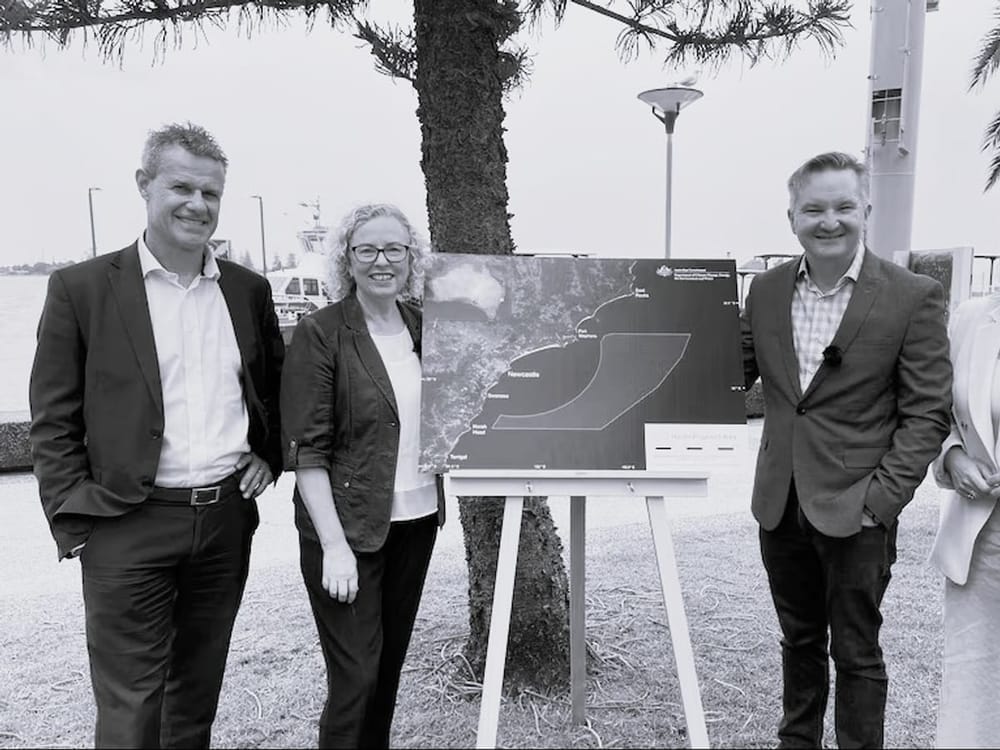
In July 2023, the Albanese Labor government drew a green rectangle over 1,854 square kilometres of ocean off Hawks Nest on the New South Wales Mid Coast and marked it for up to three hundred floating wind turbines, each 260 metres tall. No locals knew. Sandra Bourke, whose great-grandfather helped build the community hall, found out over a bacon and egg roll at MeMa’s bakery when her husband, Bruce, turned his phone around and showed her the map.

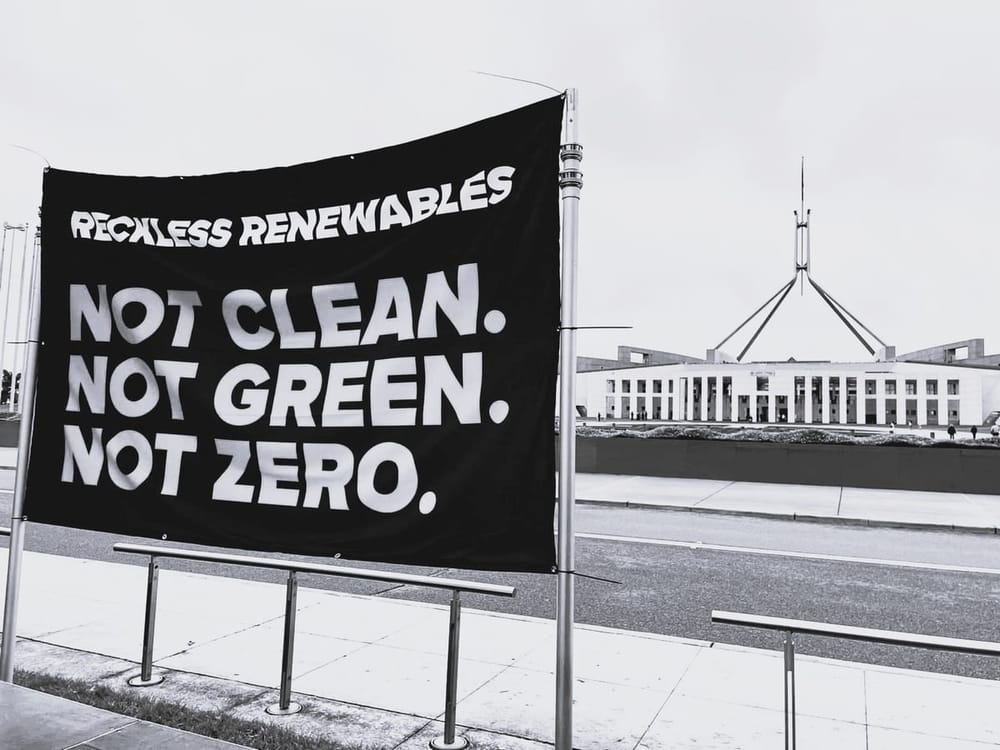
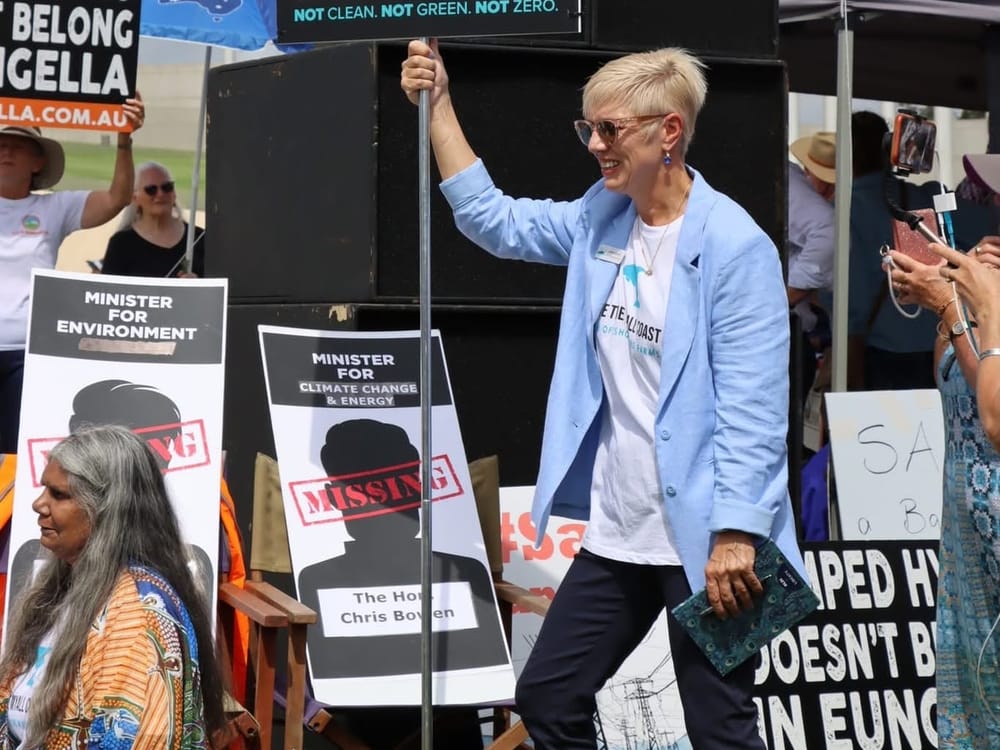
To Save a Beach - The Story of Reckless Renewables is what happened next. Three years. Thousands of kilometres in a hired campervan called Rogue. Cattle farmers facing compulsory acquisition; a wildlife photographer thrown out by the Greens for photographing the impact of turbines on the rainforest; a Rodeo Queen turned copper turned One Nation candidate; potato growers locking their gates against eighty-metre steel towers; a schoolteacher and lifelong Labor voter taking on her own party; and the former head of Australia’s nuclear agency in the passenger seat explaining fifty hertz. A national rally of three thousand Australians on the lawn of Parliament House, while Chris Bowen, inside, answered questions without once looking up at them. A federal election in which Jewish Australians and Australian volunteers alike were viciously and repeatedly called neo-Nazis on the footpath outside a Brisbane church.

Part memoir, part investigation, part road story, this is the account of governments spending hundreds of billions of dollars it refuses to reveal or tally, on a plan nobody voted for, over the heads of Australians who have no choice but to live with it.

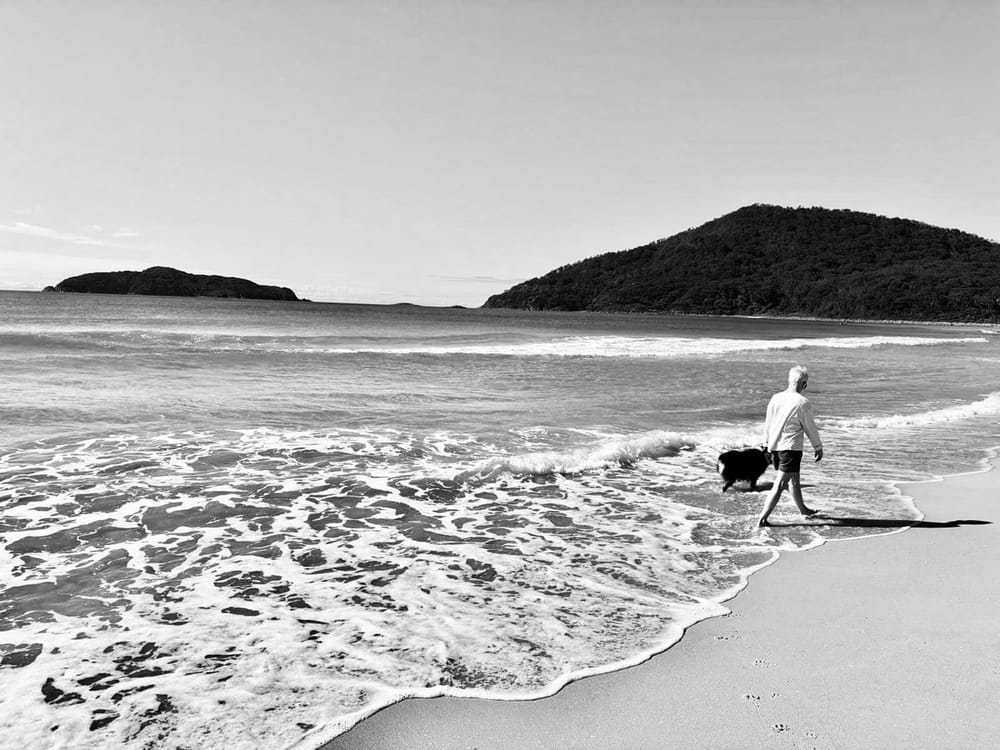
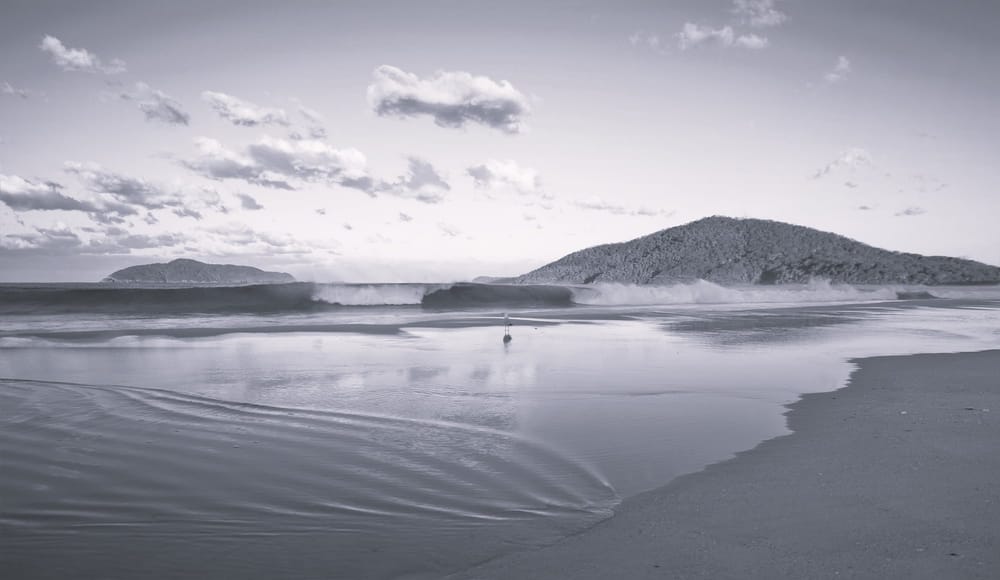
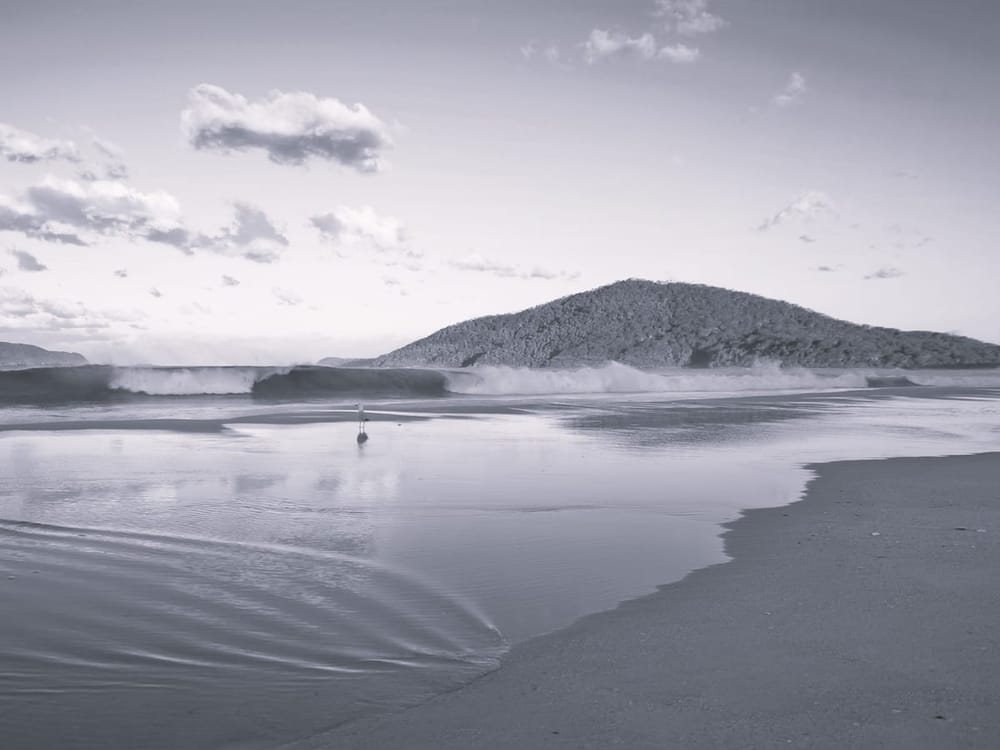
Hawks Nest beachHawks Nest, July 2023
Synopsis

One beach.
A much bigger map.

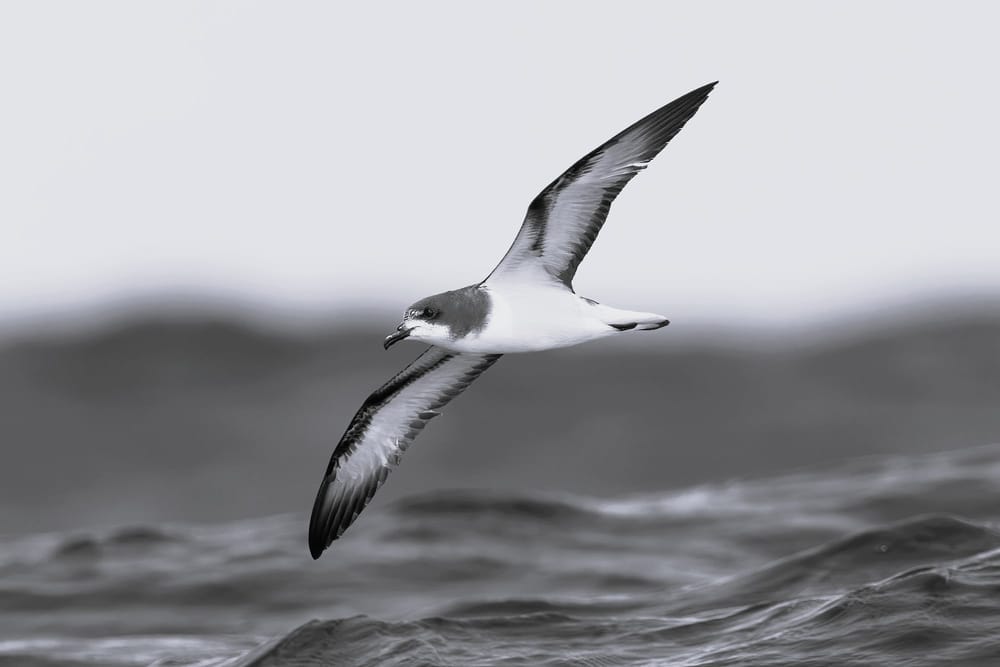
When plans for offshore wind turbines reach Hawks Nest, Sandra Bourke believes she is fighting to save one beach: endangered petrels, migrating whales and the community bound to its shore.

With Bruce and campervan Rogue, Sandra crosses rainforests, cattle country, coastal towns, farming valleys and polling booths, meeting Australians resisting turbines, grid solar, pumped hydro and transmission lines as the system pushes ahead.

But beneath the campaign runs a darker current: intimidation, division and hatred gathering force as those in authority look away. The closer Sandra comes to power, the clearer the pattern becomes: warnings dismissed, dissent vilified, government pressing on without listening.

To Save a Beach is a hard-hitting narrative non-fiction about reckless renewables, political power, and democracy. It asks what remains of the social contract when government stops listening, and what Australians do when looking away is no longer an option.

Gould's petrel in flight over the sea
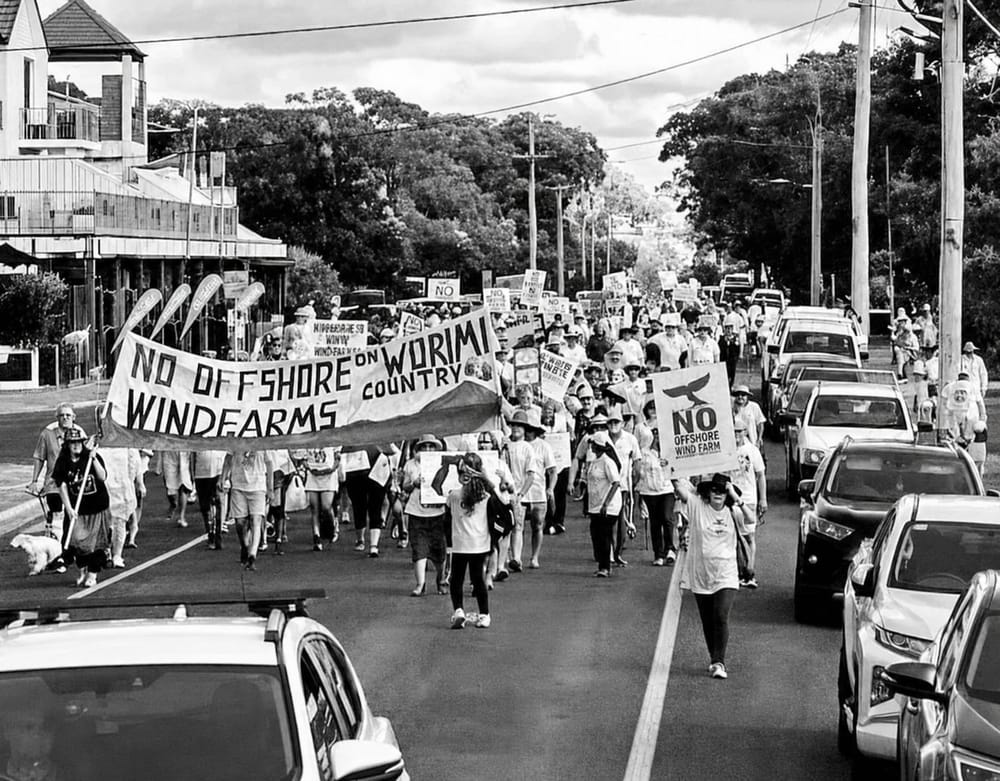
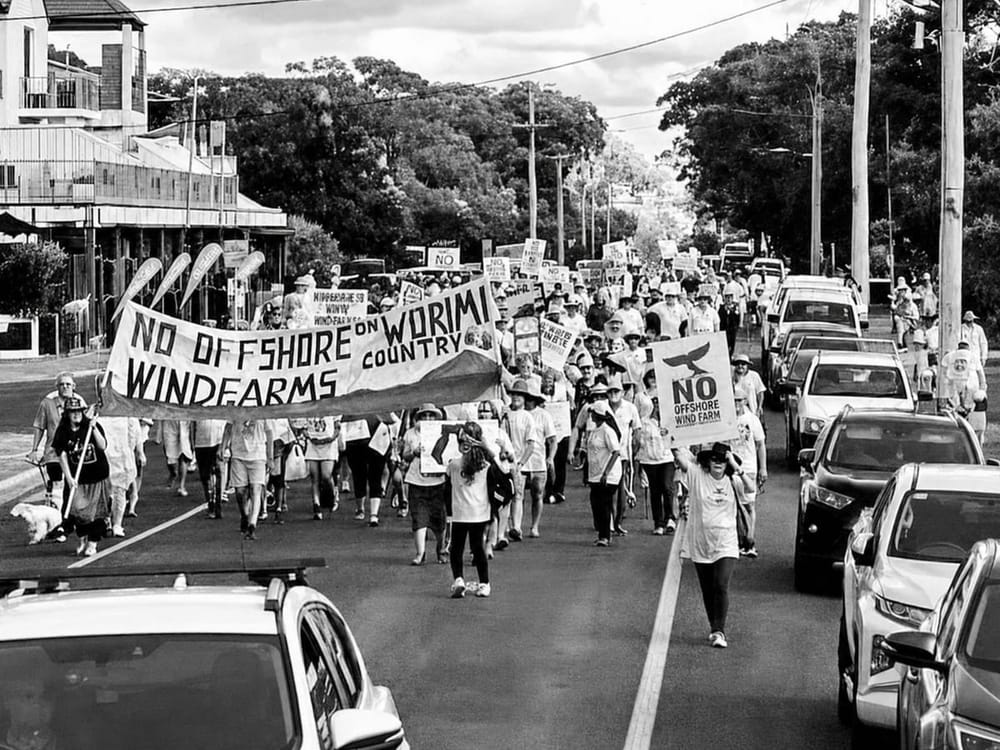
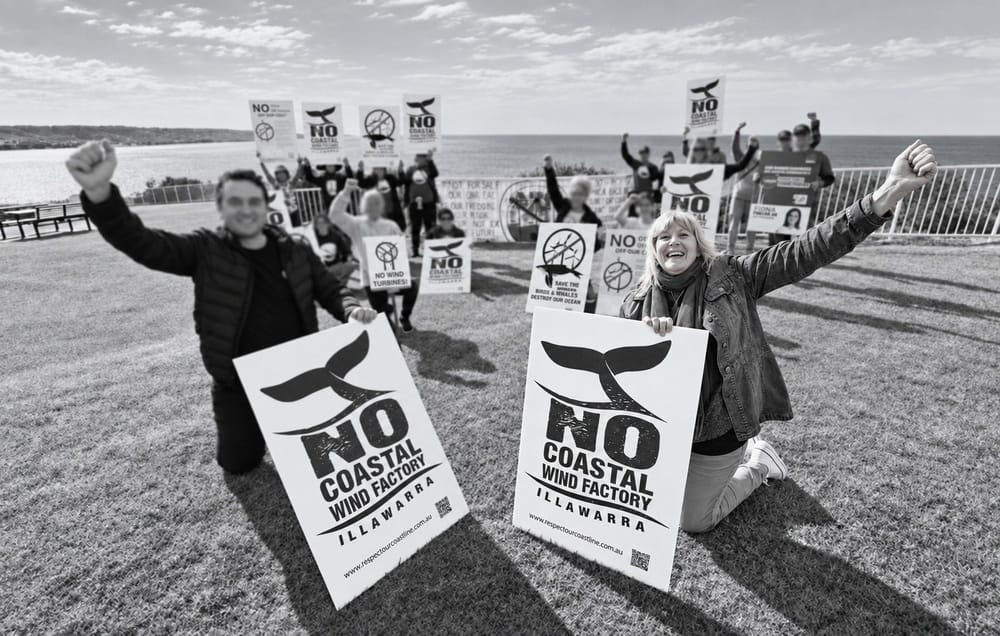
Save the Myall Coast rally marching through Hawks Nest, November 2023
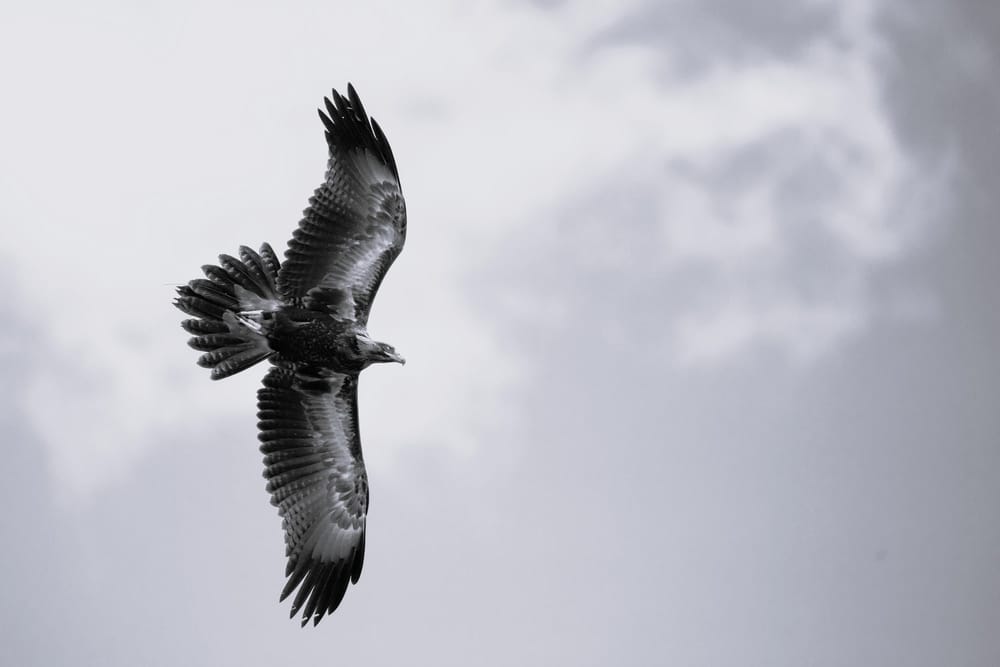
Wedge-tailed eagle in flight
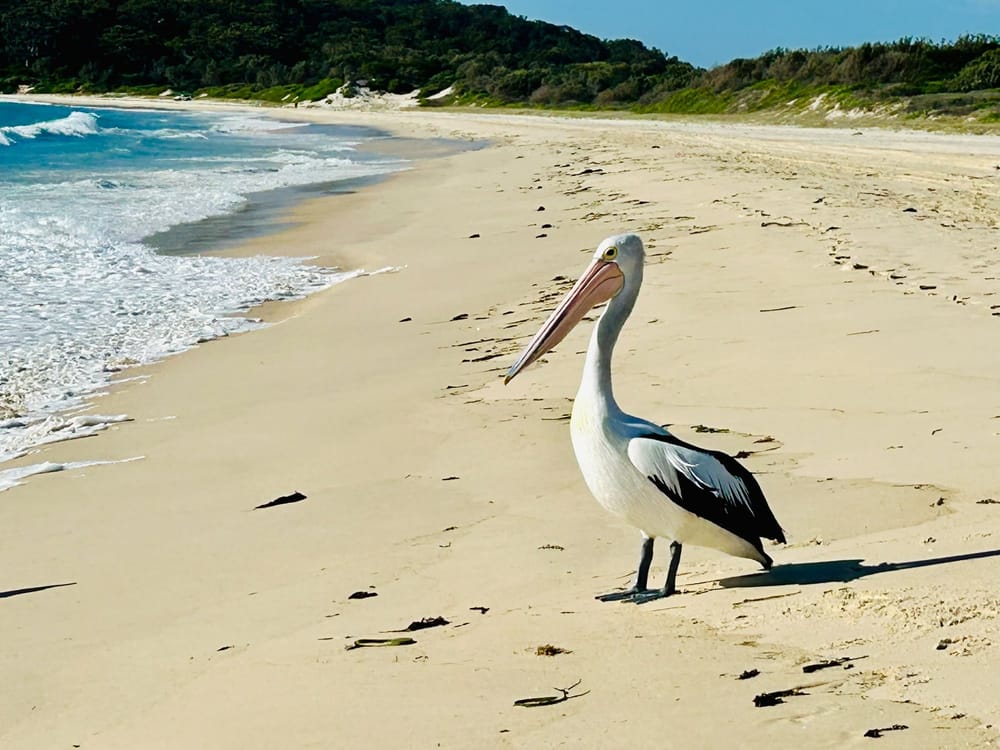
Australian pelican on Hawks Nest beach
The people on the NEM Road

The people whose stories the book tells

Chapter by chapter

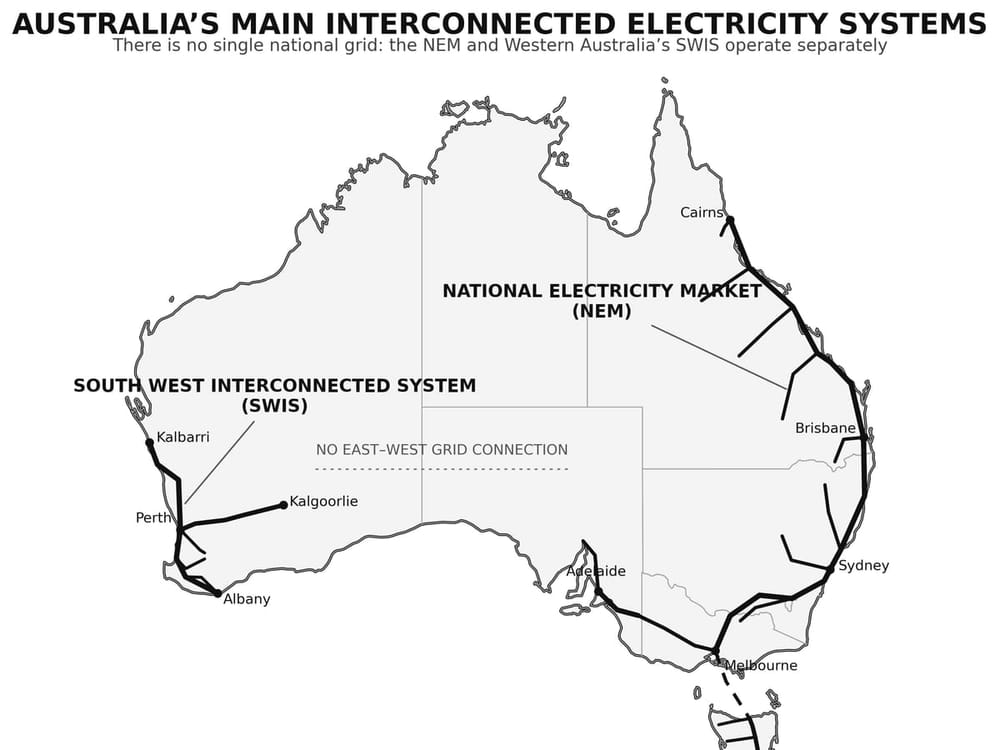
The road follows the National Electricity Market (NEM), the single grid that runs more than 5,000 kilometres from North Queensland through New South Wales, Canberra and Victoria to South Australia. Bruce drives Rogue, our campervan, the length of the NEM from top to bottom: Brisbane, the Atherton Tablelands, the Callide Basin and Kilkivan in Queensland; Coolah and the Illawarra in New South Wales; Myrniong in Victoria; Eudunda in South Australia. Every stop is a different piece of the same machine, and every stop is a family who found out by letter, by leaflet or by a neighbour at the counter of a general store.

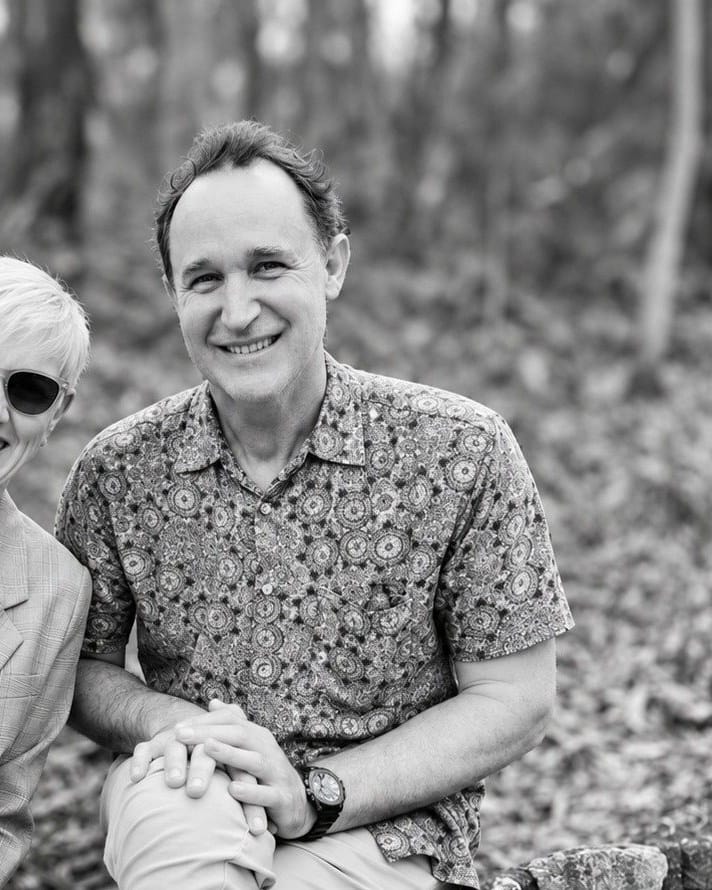
Bruce Murray

Wing Commander, Royal Australian Air Force, retired. Hawks Nest, New South Wales
“I think it’s all bullshit.”

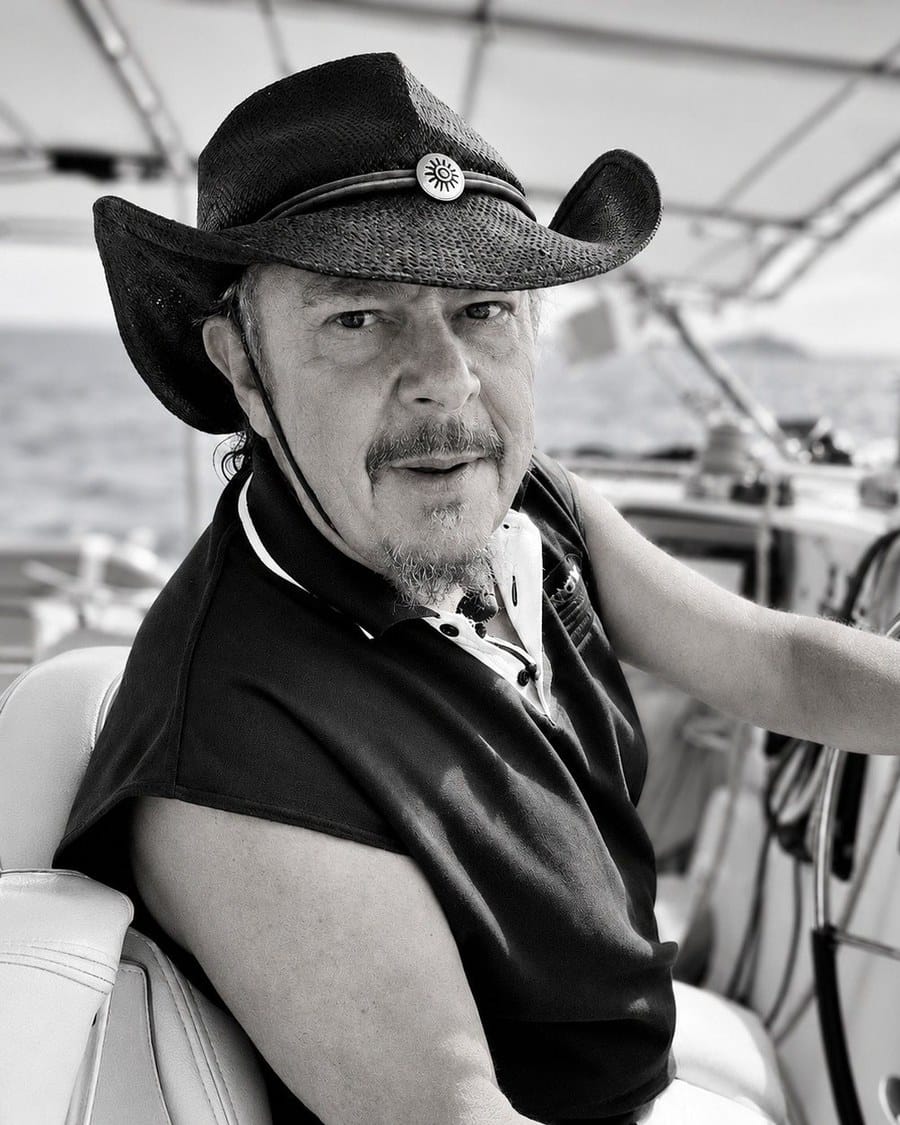
Frank Future

Skipper of the catamaran Imagine, Nelson Bay, Port Stephens
“If this was off Sydney, there would be a riot. They would never wear it off Sydney. So maybe they should put it off Sydney.”

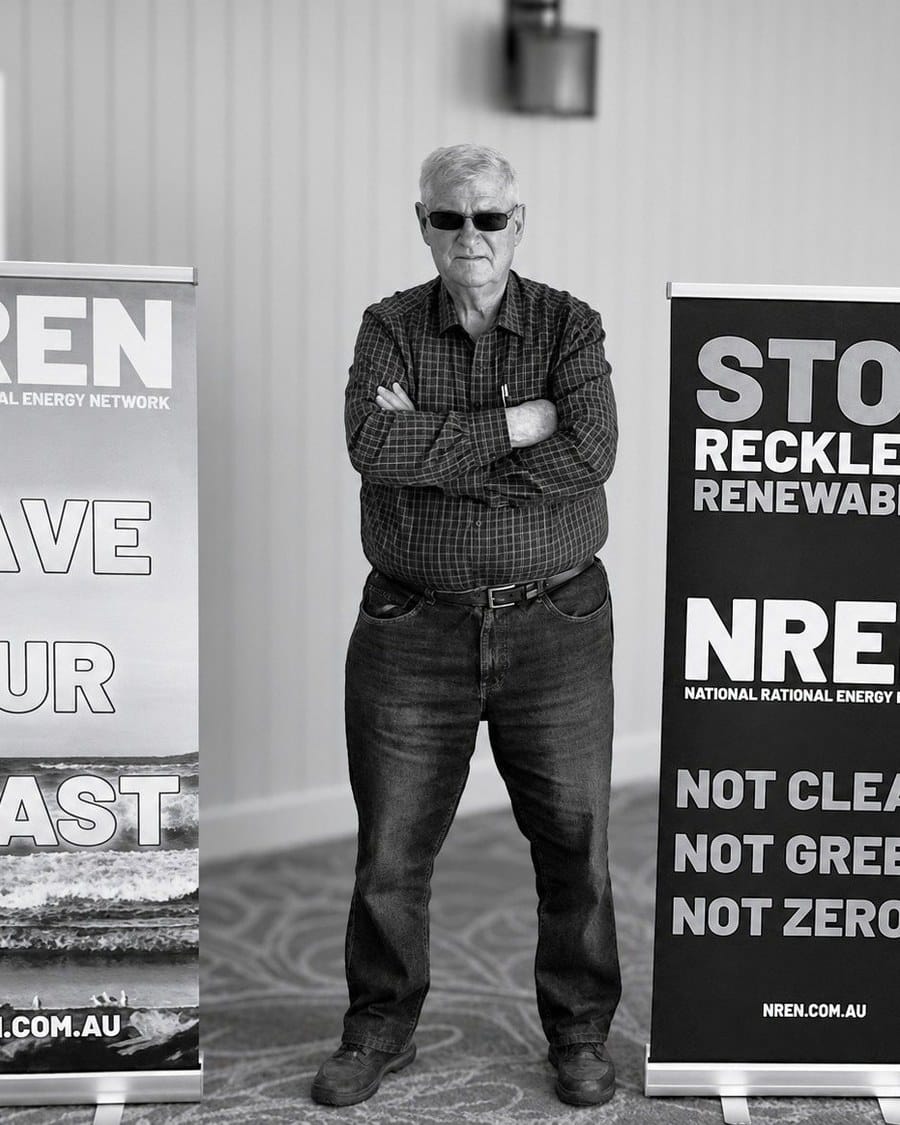
Bill Stinson

Volunteer Secretary, National Rational Energy Network, Sydney
“Farmers, builders, soldiers. I'm just a retired construction project manager trying to help save Australia.”

Professor Stephen Wilson

Energy economist and engineer, Brisbane
“The wind is free. The sun is free. The electricity is not. No one can make energy. You extract it and convert it from one form into another. Every conversion costs. The ball always rolls downhill. When Chris Bowen tells you he can run Australia on free energy, hang on to your wallet.”

Steven Nowakowski

Cartographer and wildlife photographer, Ravenshoe, Far North Queensland
“The same Green activists and politicians who once fought to protect these habitats are now supporting projects that tear them apart. This is hypocrisy of the highest order. We cannot save the environment by destroying it.”
Own image

Therese and Cedric Creed

Fifth generation graziers, Callide Basin, Central Queensland
“This is what they’re really taking.”

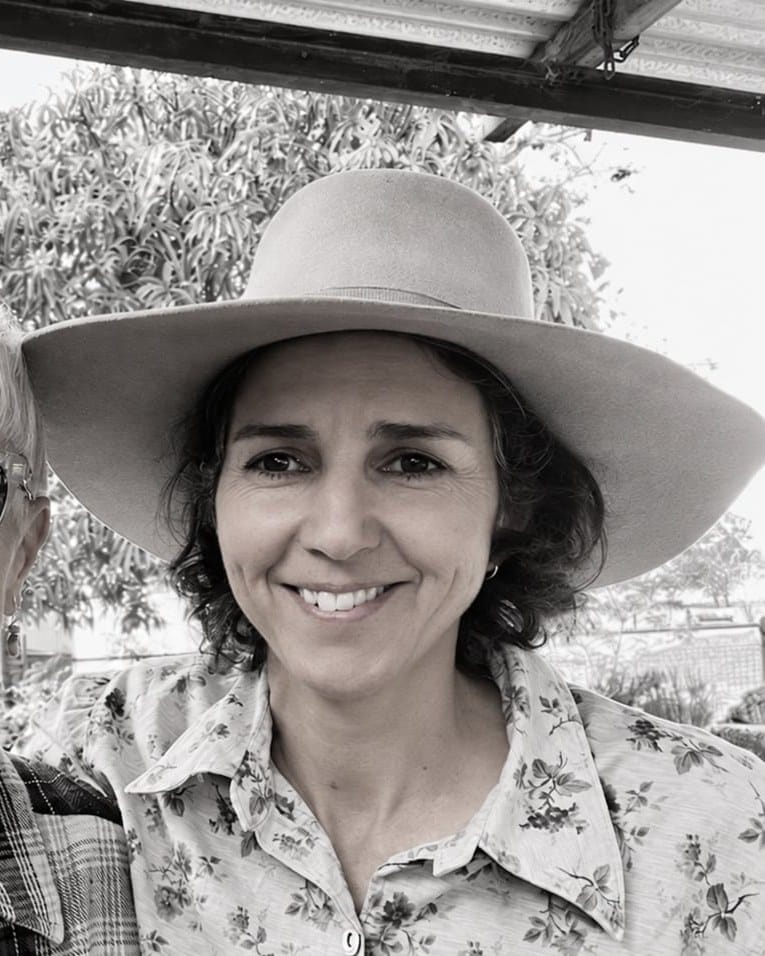
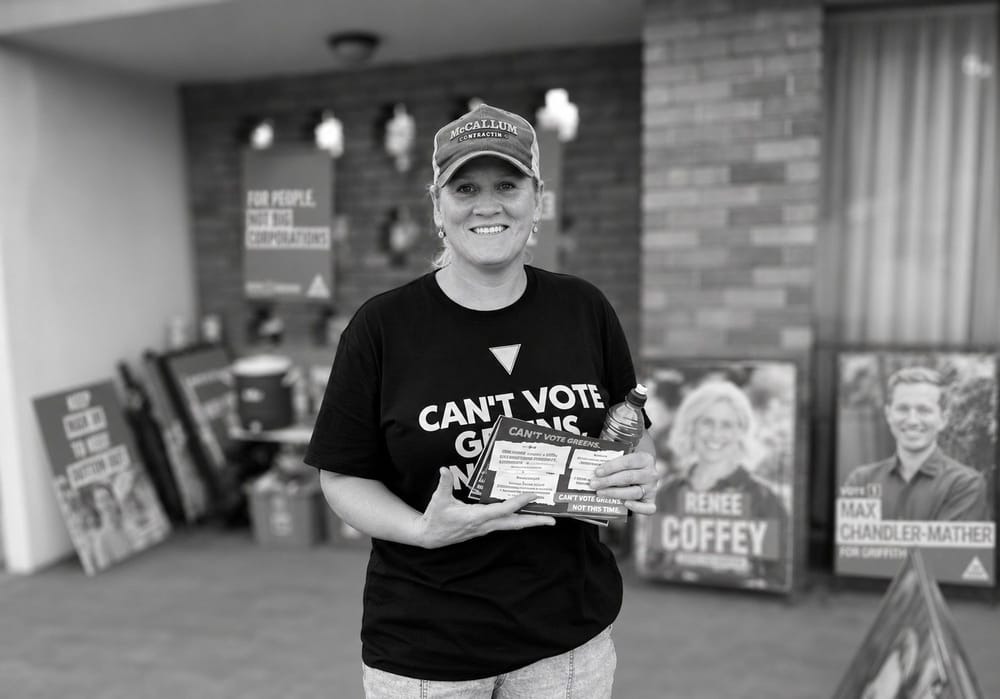
Katy McCallum

Kilkivan General Store, President of Let’s Rethink Renewables, Queensland
“I hate losing, but I hate quitting more.”
Author’s image

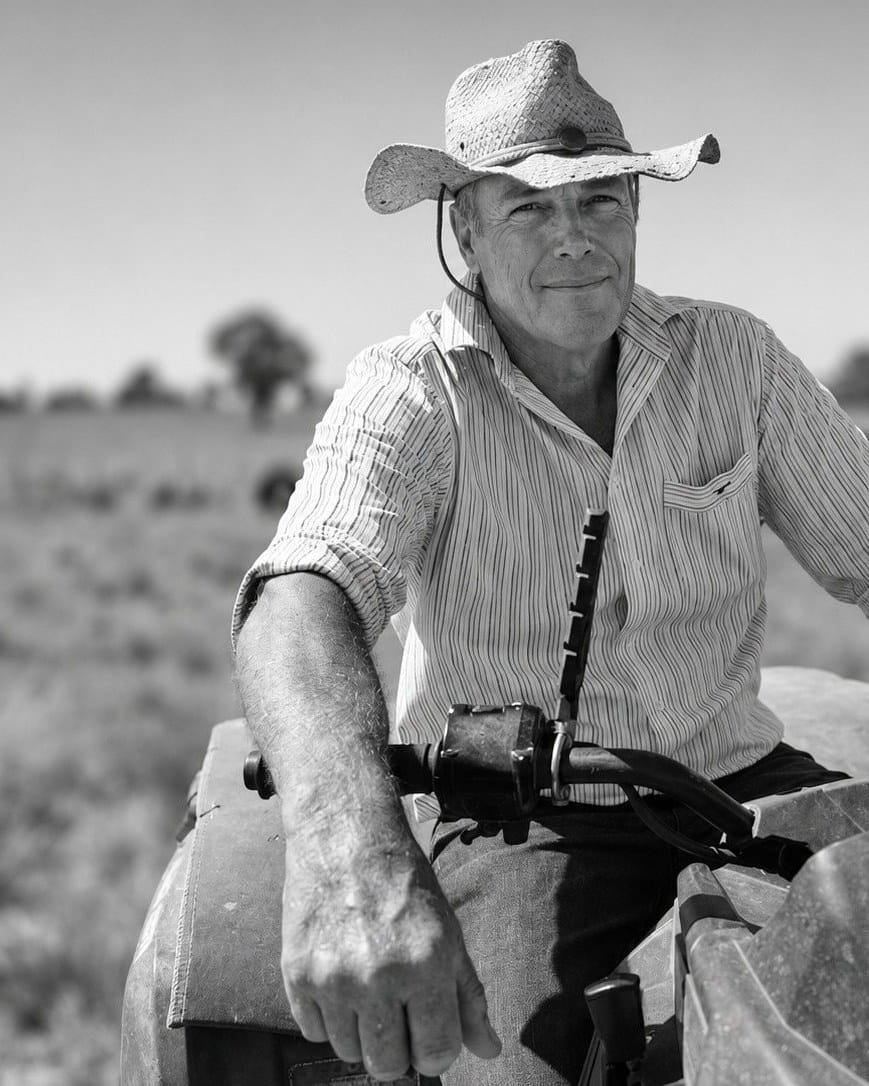
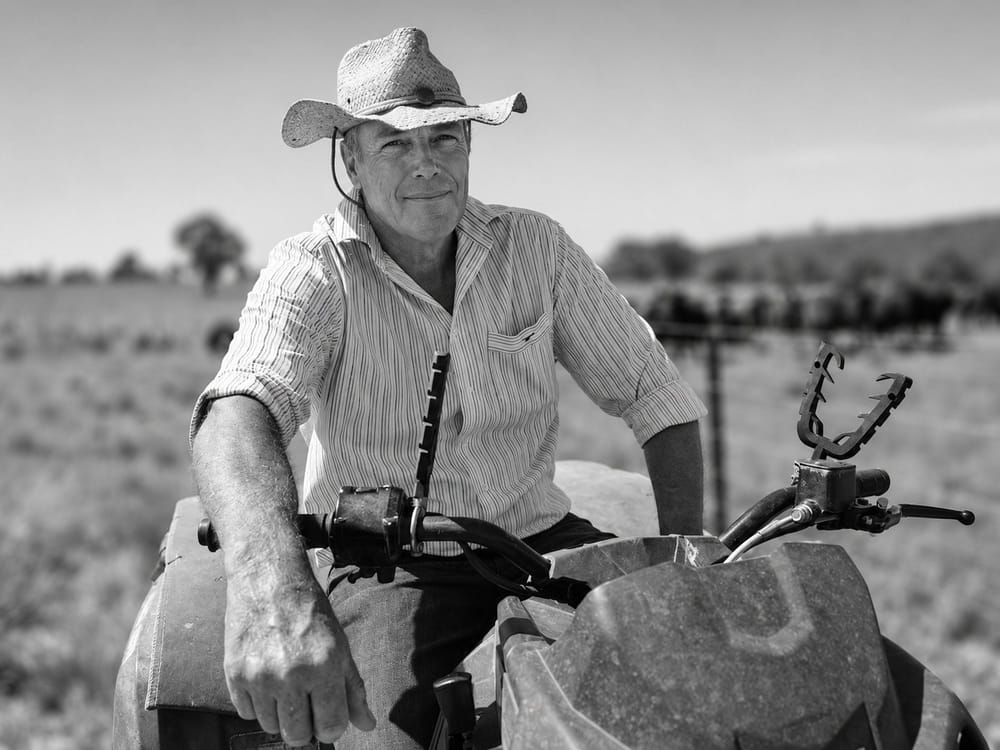
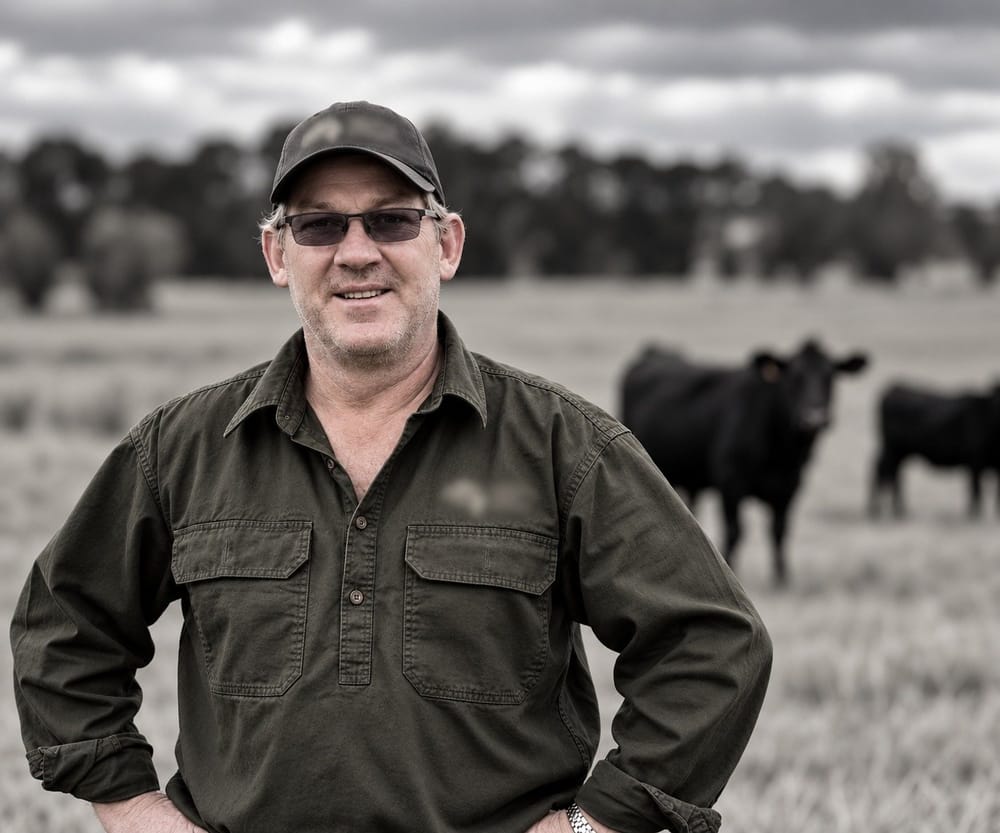
Grant Piper

Cattle farmer and chair of the National Rational Energy Network, Uarbry near Coolah, NSW
“None of it starts here. It starts in Canberra. Chris Bowen signed us up to a target, and the target came to my valley.”
Subject provided

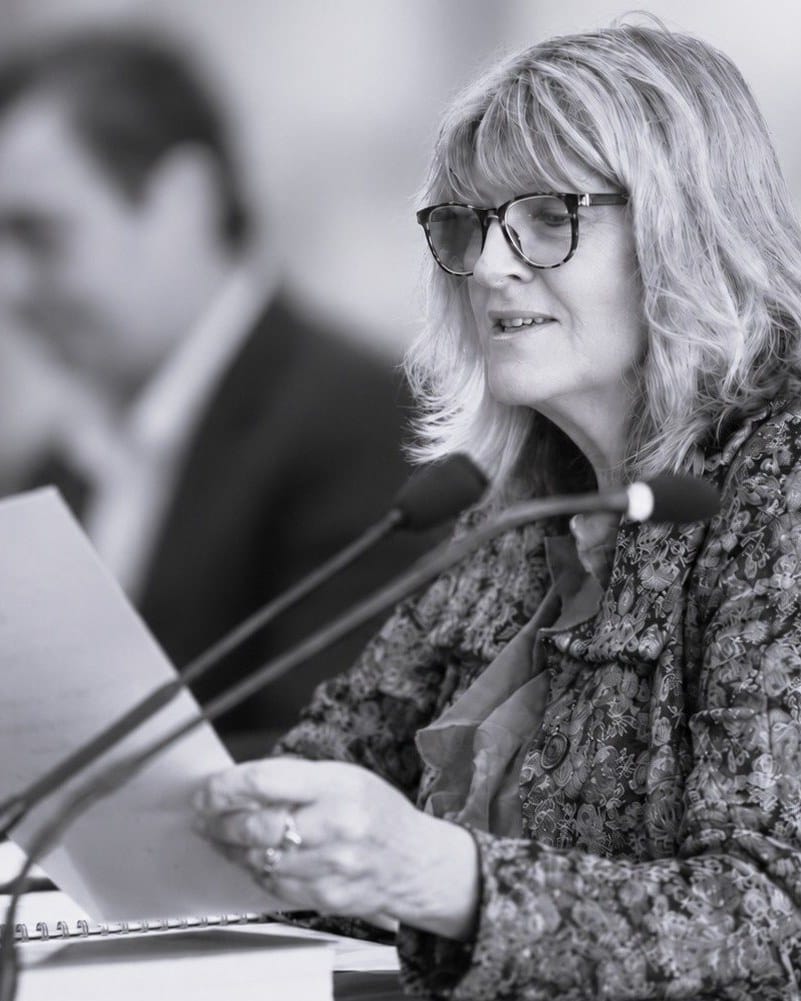
Amanda De Lore

Retired teacher and Assistant Principal, Illawarra, NSW
“No. This isn't just about the Illawarra any more. If fourteen thousand people can go through a proper consultation, and the government can count every submission, and it still ends up exactly where it planned to be, then this was never a local problem. It's a national one. The fishing families. The whale people. The farmers losing land to transmission corridors. Hunter, Port Stephens, Gippsland. Same fight, different coastline.”
Subject provided

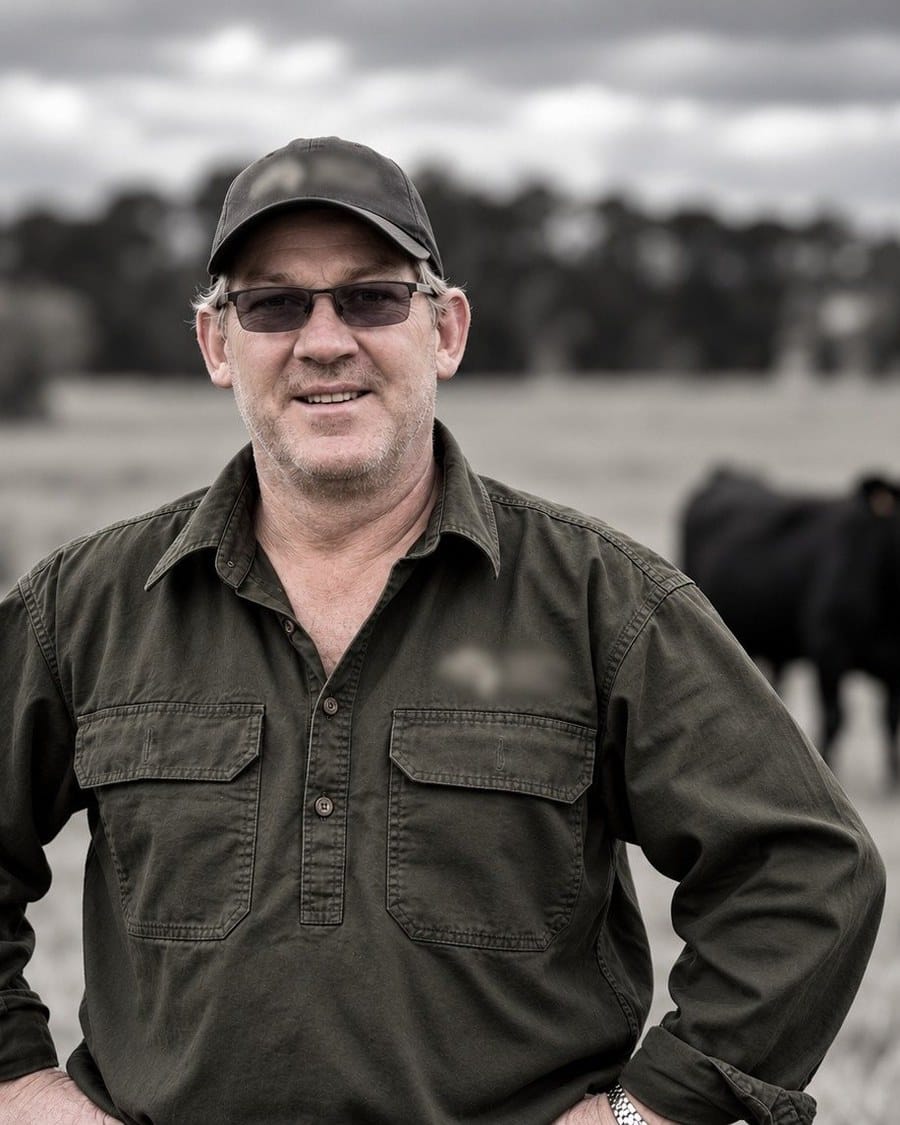
Nathan Lidgett

Fifth generation farmer, Myrniong, Victoria
“Private property is not private anymore, if other organisations have the ability to cut your chain on your gate and walk in.”

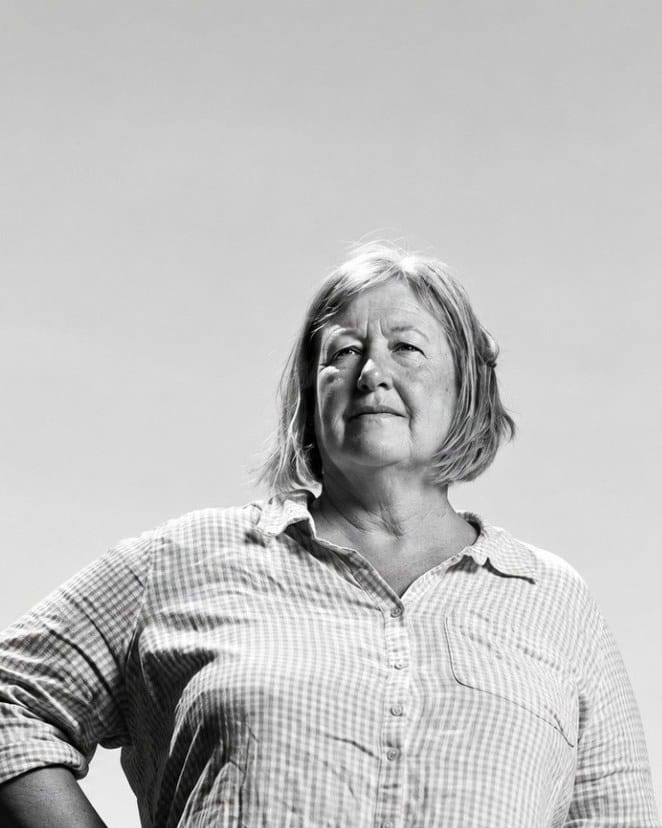
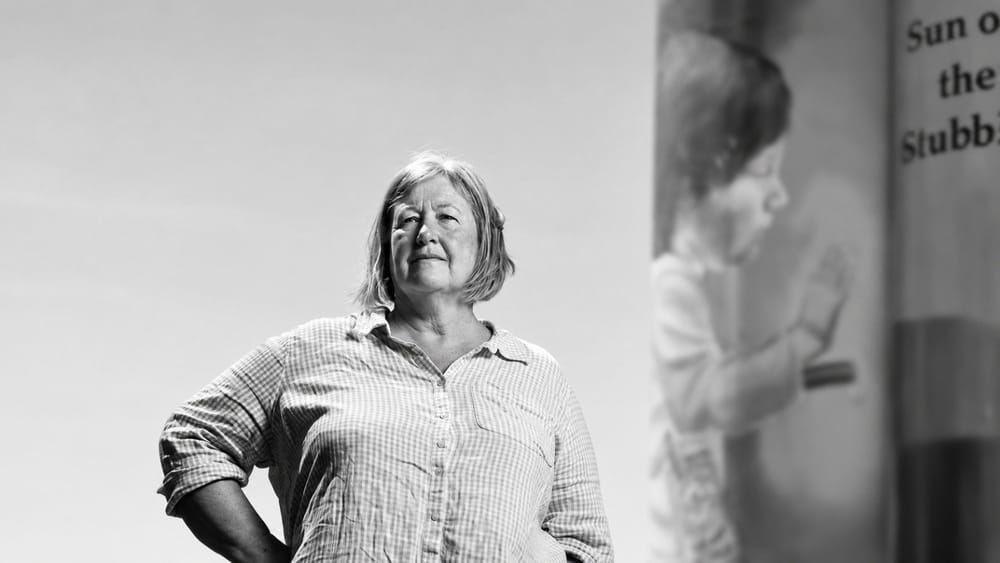
Mary Morris

Retired science teacher and farmer, Eudunda, Mid North, South Australia
“People think we're fighting turbines. We're not. We're trying to hold regulators accountable to rules that are already there and being ignored. Environmental authorities are turning a blind eye to environmental damage, letting developers do whatever they want. We're fighting the fact that no one is listening, or that if they are, they don't care.”

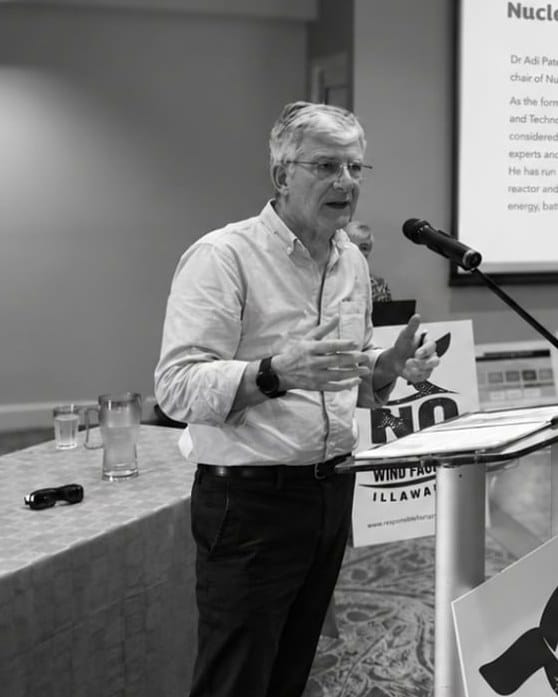
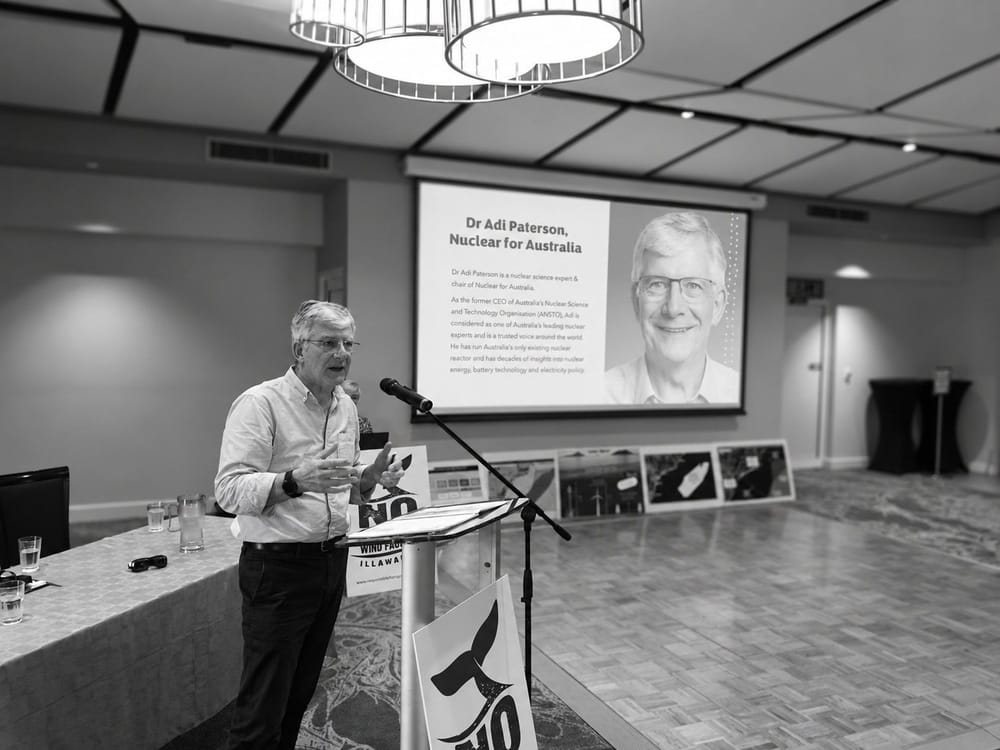
Dr Adi Paterson AO

Chief Executive of ANSTO 2009 to 2020, Chair of Nuclear for Australia, Sutherland, NSW
“The physics won’t change. I am not sure I will see it.”

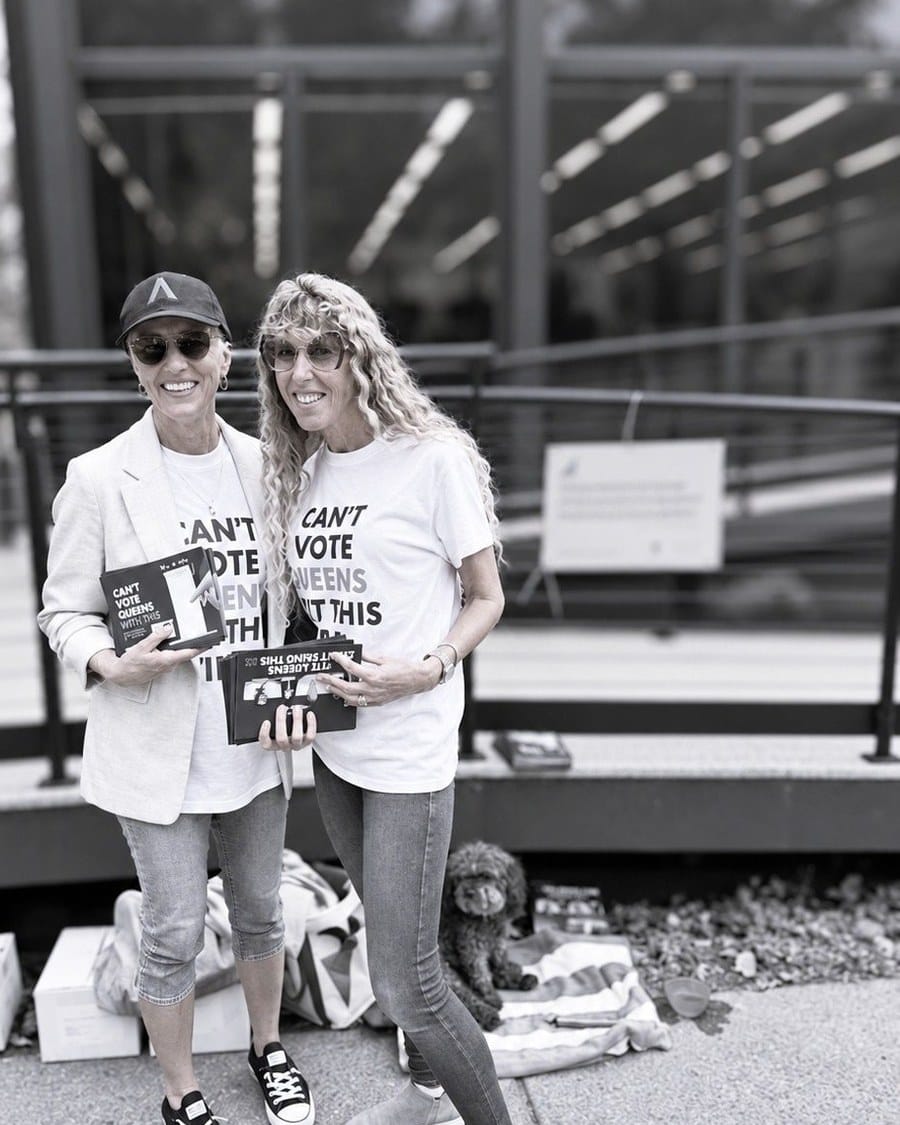
Sharon Kuperholz

Community leader, J-COM Events Melbourne, Prahran, Victoria
“The government and most of the media have told Jewish Australians to sit down, shut up and put up with it. The Greens help. They dress up hostility as activism and intimidation as democracy because they approve of the people doing it. It is disgraceful, and we will not be silent.”
Author’s image
Foreword

That matters because To Save a Beach is about much more than a plan to build offshore wind turbines off the Hunter coast. It is about two very different ways of seeing the environment.

One begins with the particular. This beach. This forest. This paddock. This bird. This river. This view. This community.

The other starts with the general. Global temperature. Atmospheric carbon dioxide. National emissions targets. Renewable energy percentages. Gigawatts of generation. Lines on a map.

Sandra begins with one place and discovers countless others. Near the end of her journey she writes that everyone has such a place: a paddock, a valley, a ridge, a garden, a rainforest, a stretch of ocean, a backyard, a beach.

Hawks Nest is hers. This book is the story of what happened when a line on a government map crossed it. And of what happened when Sandra decided to dig in and fight.

Chris Uhlmann, from the foreword to To Save a Beach
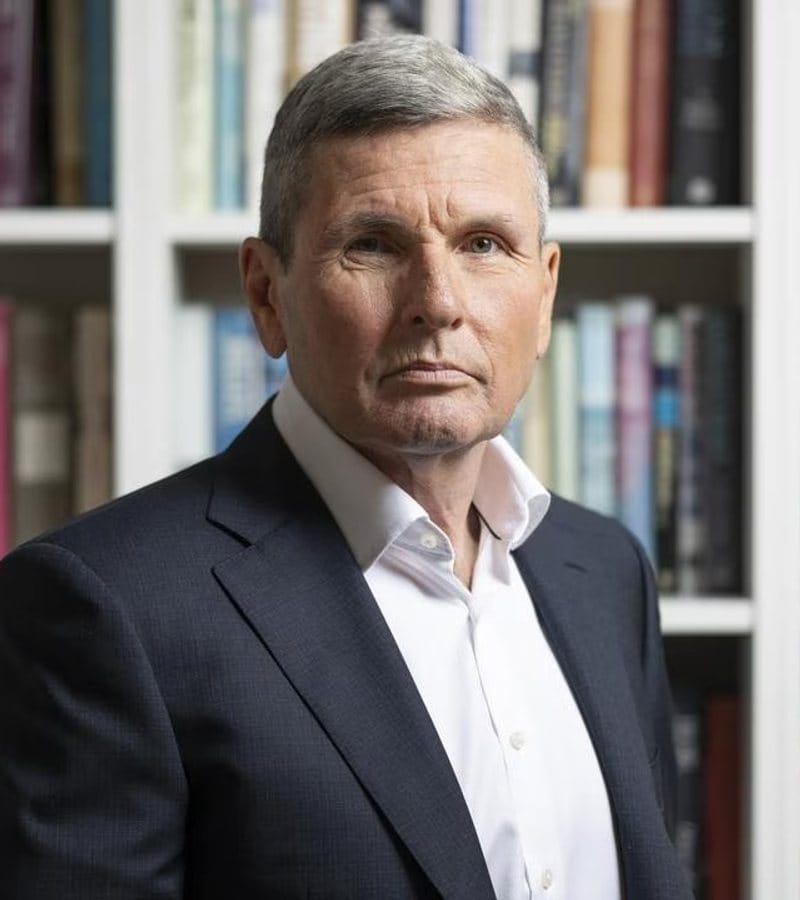
Chris Uhlmann

About Chris Uhlmann

Chris Uhlmann is a journalist and political commentator. He has covered Australian politics for three decades, including as political editor for the ABC and Nine, and has reported from Parliament House and from international summits from the G20 to COP26.

Chris Uhlmann at The Australian

Front and back

The book in your hands

Pre-order the Book
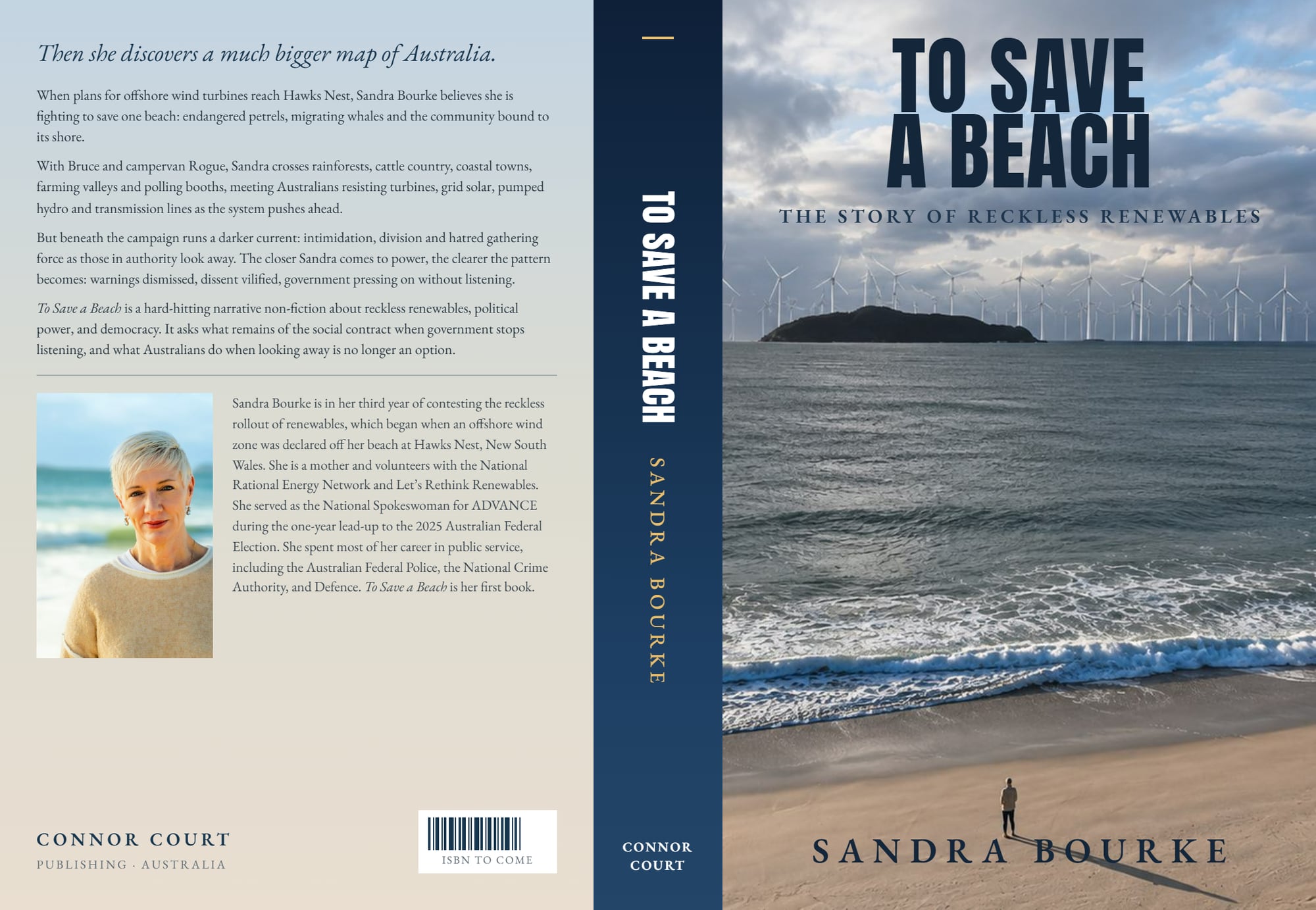
To Save a Beach: back cover, spine and front cover
Where to buy

Signed copies, or order from the publisher

To Save a Beach: The Story of Reckless Renewables is published by Connor Court Books. Orders through the publisher go directly to them.

For a signed copy from the author, click here.

Buy a signed copy

Pre-order the Book from Connor Court

The story

From one beach to the whole map

To Save a Beach opens in April 1983, with a fourteen-year-old girl caught in a rip during an East Coast Low off Hawks Nest Beach, carried out past the break towards Cabbage Tree Island, the only place on Earth where Gould’s Petrel breeds. A lone surfer hauls her onto his board. Her father, walking the tideline, tells her the thing she carries for the rest of her life: “You are still here. That is what matters.”

Forty years later, Sandra Bourke, a former Australian Federal Police officer with a career in intelligence, defence, and national security, is walking the same beach with her Australian Shepherd, Bodie, when her husband, Bruce Murray, a retired Royal Australian Air Force Wing Commander who spent forty years preparing fast jets for combat, opens a government map. The Hunter Offshore Wind Zone had been declared by Chris Bowen on 12 July 2023, and it was pasted across the petrels’ feeding grounds, the humpback migration corridor that carries forty thousand whales past the headland each year, a great white shark nursery, and one of the busiest shipping corridors on the east coast. Consultation had run for nine weeks and closed. Nobody they knew had heard a word.

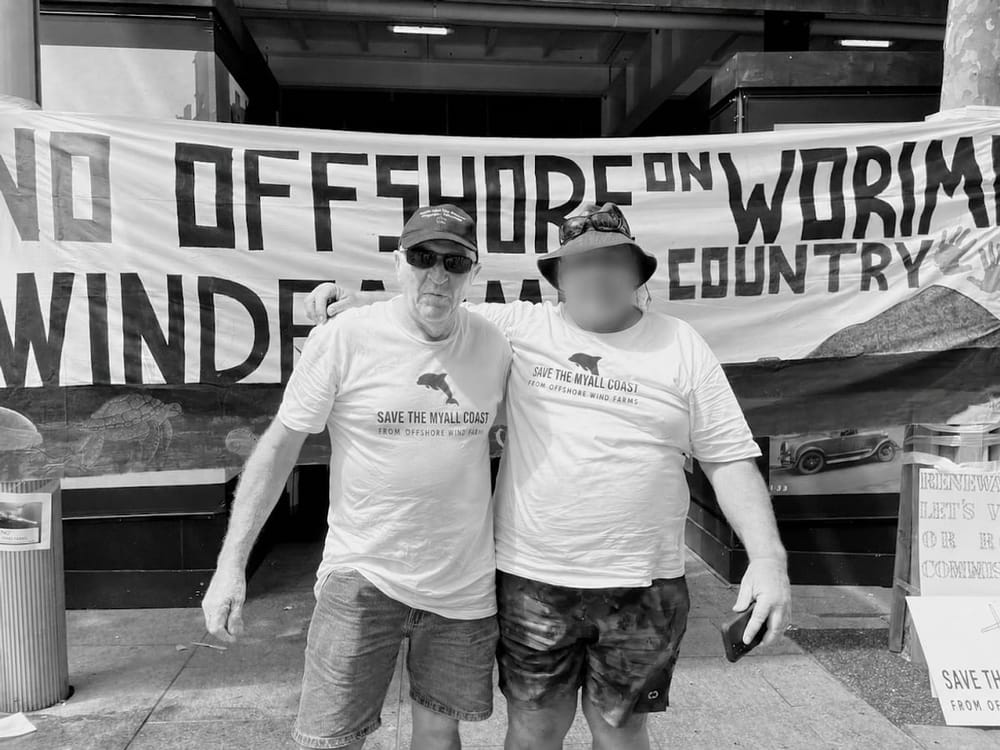
What begins as a fight for one beach becomes an investigation into the machinery of Australia’s renewables rollout and a journey across the continent to meet the people beneath it. Sandra and Bruce organise the first protest their two villages have ever held, with three hundred people marching up Booner Street behind a Worimi banner. They ride the train to their first big rally in Martin Place and discover a national movement. They help organise the National Rally Against Reckless Renewables, which brings two to three thousand Australians and forty speakers to the lawn of Parliament House on 6 February 2024. By breakfast, all will be called “bug eaters”. Sandra resigns from her job and her party membership and becomes the national spokeswoman for ADVANCE, the campaign organisation that helped defeat the Voice referendum, and learns the high cost of putting her name on the other side of Australia’s political divide.

Then they hire a campervan. For the best part of a year, Rogue is home, newsroom and refuge, tracking the east coast National Energy Market (NEM) grid: Bruce drives, Sandra writes, maps cover the table, rain drums on the roof, cattle bump the sides at night. The road runs from Brisbane to the Atherton Tablelands, down through the Callide Basin and the Mary Valley, across the Liverpool Range to Coolah, over the Sea Cliff Bridge into the Illawarra, west to the potato country of Victoria and across Goyder’s Line into the Mid North of South Australia. Every stop is a different piece of the same machine: floating offshore wind, onshore wind on blasted ridgelines, 1,800 hectares of grid solar on black soil, a 2,400 megawatt-hour lithium battery beside a cattle property, a $18.4 billion pumped hydro scheme with seven dams, 190 kilometres of eighty-metre steel towers through five generations of farms, a failed $285 million hydrogen office, home battery subsidies and the diesel jets and spinning condensers bought to hold South Australia’s grid together. Every stop is a family who found out by letter, by leaflet, by a neighbour at the counter of a general store.

The book then turns to the fight in Parliament and at the ballot box. A drive through the rain with Dr Adi Paterson, eleven-year chief executive of Australia’s nuclear agency, who calls Chris Bowen the most dangerous minister he has encountered in Australian public life. CPAC in Brisbane, where Sandra speaks after Holocaust survivor Suzi Smeed and rewrites her ending to two words. The Prahran by-election, where Sharon Kuperholz and Simonne Whine build a hundred-plus, volunteer-led, Jewish campaign. The Liberal and Greens candidates finish one first-preference vote apart, and the Greens lose a seat they had held for a decade. And election day, 3 May 2025, told hour by hour, from a 4.50am security camera check at a Brisbane hub house to the moment Antony Green calls the Labor landslide, and two years of work come down in eleven minutes.

What the book covers

To Save a Beach takes the reader inside every part of Australia’s renewables rollout through the people living beside it: floating offshore wind in the Hunter and Illawarra and fixed offshore wind off Gippsland; onshore wind on the blasted ridgelines of Far North Queensland, the Central West of New South Wales and the Mid North of South Australia; grid scale solar on prime black soil in the Callide Basin; grid batteries and the lithium fires firefighters are told to let burn; pumped hydro at Snowy 2.0, Borumba and the cancelled Pioneer Burdekin; hundreds of kilometres of high voltage steel towers and compulsory easements in three states; the failed hydrogen industry at Whyalla; home battery subsidies and virtual power plants; the synchronous condensers, diesel jets and gas contracts that hold a renewable grid together; and the nuclear alternative Australia has made illegal. Every project is named, every company and owner is named, every minister is named, and every number is footnoted, with a bibliography of more than a thousand entries, a national register of 174 community groups and Steven Nowakowski’s state by state maps.

Why this book matters to Australians now Will it all even work?

Australia produces about one percent of the world’s greenhouse gas emissions. Electricity generation accounts for about a third of that. Switch off every coal and gas power station in the country tonight, and global emissions would fall by roughly a third of one percent, an amount China’s power stations emit in about two weeks. As Professor Stephen Wilson observes in the book, no instrument on Earth could measure the difference.

On that alone, the Albanese Labor government and the Minister for Climate Change and Energy, Chris Bowen, are overhauling the entire national electricity system within eight years. Labor legislated a 43 percent emissions cut by 2030 and Net Zero by 2050, and set a target of 82 percent renewable electricity by 2030. The 82 percent figure came from a consultancy’s spreadsheet commissioned by Labor in opposition, the same modelling that promised every household a $275 cut to its power bill. The cut never arrived. Regulated electricity prices rose by up to 14 percent in one year and by another 21 to 25 percent the next.

To hit the target, 24 coal-fired power stations with 26.7 gigawatts of capacity have announced closure dates. Several have already been blown up: Hazelwood in Victoria, Liddell in New South Wales, and Northern at Port Augusta, whose owners offered to keep it on standby for a small fee and were told no by the South Australian Labor government. The rubble cannot be restarted. In their place, the Australian Energy Market Operator says the country must build five times its present grid-scale wind and solar, 6,000 kilometres of new high-voltage transmission, almost 50 gigawatts of storage, and 17 gigawatts of gas plants to wait behind it all for the days the weather fails. Cartographer Steven Nowakowski’s national map gives that plan a physical shape: 4,552 wind turbine towers already standing and 25,869 more proposed, 44,895 kilometres of new haulage roads, 584 million solar panels across 443,755 hectares, almost twice the area of the Australian Capital Territory, at an estimated $1.38 trillion over 25 years. In 2025, Australia still drew 60.6 percent of its electricity from fossil fuels. Coal alone generated more than all renewable sources combined.

Nobody in government can say what the transition will cost. AEMO’s figure is $122 billion. Frontier Economics puts the build and running cost at $642 billion. Net Zero Australia’s whole-of-economy estimate runs to $7 to $9 trillion. Snowy 2.0 was announced at $2 billion, is now officially $12 billion, was 73 percent complete in March 2026, and has no reliable final price. Queensland’s Pioneer Burdekin pumped hydro went from $12 billion to $36 billion before the incoming LNP government cancelled it, and the Premier drove to Eungella to apologise to the families who had sold their farms for it. In May 2026, Chris Bowen refused, on the floor of the House of Representatives, to say whether his Capacity Investment Scheme would cost taxpayers under $1 billion or more than $10 billion. Commercial in confidence. The scheme commits every Australian taxpayer, for fifteen years, to underwrite 32 gigawatts of private, mostly foreign-owned wind, solar and batteries. If a project’s revenue falls below its agreed floor, taxpayers cover 90 percent of the shortfall. The agreements with the states are secret. South Australia, twenty years into the experiment, has the highest share of renewable electricity in the country and the highest power bills, and has spent close to a billion dollars on diesel-fuelled jet engines, synchronous condensers and gas contracts to buy back the grid stability its coal station provided for nothing.

While all this is built, the one proven low emission technology that delivers steady power from a compact site stays illegal. Two Commonwealth Acts ban nuclear power in Australia. The same government operates a nuclear research reactor at Lucas Heights, 31 kilometres from the centre of Sydney, and is buying nuclear powered submarines. The United Arab Emirates built four reactors in a decade and now draws a quarter of its electricity from them. Nuclear power has been locked out of every official Australian cost comparison before the modelling began.

To Save a Beach – The Story of Reckless Renewables is about bad policy, irrespective of a reader’s views on climate change. The book documents failures in engineering, project management, spending, consent, and democracy. It details projects that have never been costed, that clear rainforest and prime farmland in the name of the environment, and that demolish reliable generators before their replacements are proven. A Labor Minister who hands the risk to taxpayers and the profits to Canadian pension funds, Norwegian state oil companies, French developers, and a Philippine conglomerate fails on their own terms.

The rollout is eroding the social contract between Australians and their governments. Consultation has become performative, or worse. In the Hunter, two-thirds of 1,916 submissions opposed the offshore zone, yet it was declared anyway. In the Illawarra, 14,211 people wrote in, 65 percent against; Chris Bowen’s Department counted them, then added a paragraph explaining that the numbers had “limited validity”, and the local Labor member claimed the amended zone reflected suggestions she had made to the Minister. Grant Piper, a farmer from Coolah, told a New South Wales parliamentary inquiry that projects routinely draw 97 percent opposing submissions, and not one has been refused. At Coolah, the state took the easement across his family’s land in May 2024 and approved the project the following month. In Victoria, farmers took the Energy Minister to the Supreme Court, and the Allan Labor government changed the rules while the case was running, then passed a law letting a magistrate authorise reasonable force to open a locked farm gate. Two AusNet men with body cameras cut a padlock off a farm gate at Myrniong on camera before that law even existed. In Queensland, wind turbines are the only industry exempt from the Vegetation Management Act and the Nature Conservation Act. A Senate inquiry into the failure of offshore wind consultation reported four months late and held no public hearing.

Australians who contest the policy and projects are kept at arm's length by Labor, the Greens and the Teals rather than engaged. Cookers, a word the Prime Minister and the Treasurer both used. Bug eaters. Far right. Climate deniers. Cronies of big oil, a Greenpeace line a Labor member of Parliament reproduced in her own submission as her answer to her own constituents. Neo-Nazis, shouted at Jewish volunteers outside a polling booth in Coorparoo. The labels do the work an argument would otherwise have to do. Once a woman is a cooker, nobody has to answer her question about the whales, the bill or the cost. The scientist who helped save Gould’s Petrel from extinction will never be quoted because he needs his job. A whale-watching skipper with thirty years’ experience is accused by the Greens of exploiting dolphins. Facebook pages built by volunteers over years are throttled and shut down. A Labor staffer from the local Labor member’s office drives an hour up the coast to tell Sandra, in an emptying church hall, “We know who you are and what you are doing. And we are watching you.” Sandra and Bruce eventually leave their home for a gated estate under an Apprehended Violence Order.

This is the managed decline of democracy this book records: a government with billions of dollars and a compliant mainstream media gallery imposing a target no one put on a ballot paper on communities it has decided do not need to be heard. The Reckless Renewables movement comprises thousands of regional farmers, fishers, conservationists, engineers and retirees who did everything the rulebook asks. They wrote letters, lodged submissions, held lawful rallies, gave evidence at inquiries, went to court and stood at polling booths from dawn to dusk. In May 2025, Labor came back with 94 city and urban seats, its biggest win since 1943. Then it asks what a citizen does when every proper channel is exhausted and the machine keeps going.
The journey

Chapter by chapter

From Hawks Nest to Parliament House and back to the beach. Open the reader and turn the pages, or tap any chapter below. See all the photographs
Endorsements and reviews

What readers are saying

Reviews and endorsements will be added here as they are published.

Questions

About the book

Where can I buy To Save a Beach?
To Save a Beach is published by Connor Court Books and available from the publisher's website. Order here. Signed copies, posted by Sandra, are available here.
Who wrote the foreword?
The foreword is by Chris Uhlmann, journalist and political commentator.
What is the book about?
It is narrative non-fiction about what happened when offshore wind plans reached Hawks Nest, and what Sandra Bourke found when she travelled Australia meeting communities in the path of turbines, grid solar, pumped hydro and transmission lines.
Can Sandra speak at my event?
Yes. Sandra speaks to community meetings, conferences, festivals and broadcasters. Send an enquiry.